
WH Collective / Restaurant TV commercial
Wing Wah
Several restaurants.
One 30-second advert.
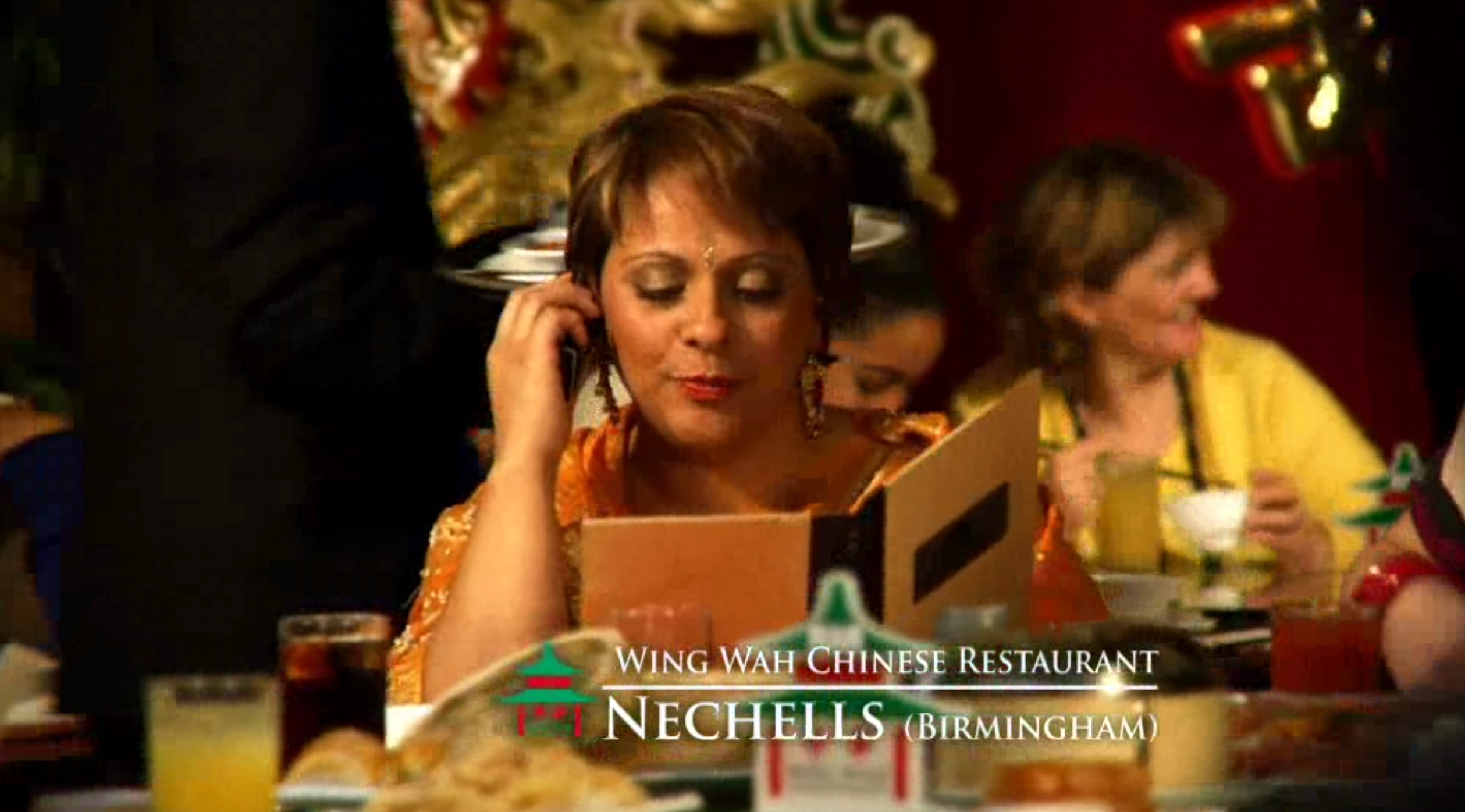
A TV commercial bringing Wing Wah’s Midlands restaurants, dishes and dining experiences together through a series of phone conversations.
- Client
- Wing Wah
- Format
- 30-second TV commercial
- Also used
- Audio for radio adverts
01 / The brief
Make room for the whole restaurant group.
Wing Wah owned a number of restaurants across the Midlands. The client wanted the advert to show those locations as well as a selection of dishes and dining experiences.
With just 30 seconds available, the challenge was to meet those wishes without overwhelming the audience. The idea needed a simple structure that could hold all that information.
02 / Finding the idea
“I’m at Wing Wah.”
The starting point was a meeting with the client: listening to what they wanted people to see, then finding an idea that could bring it together.
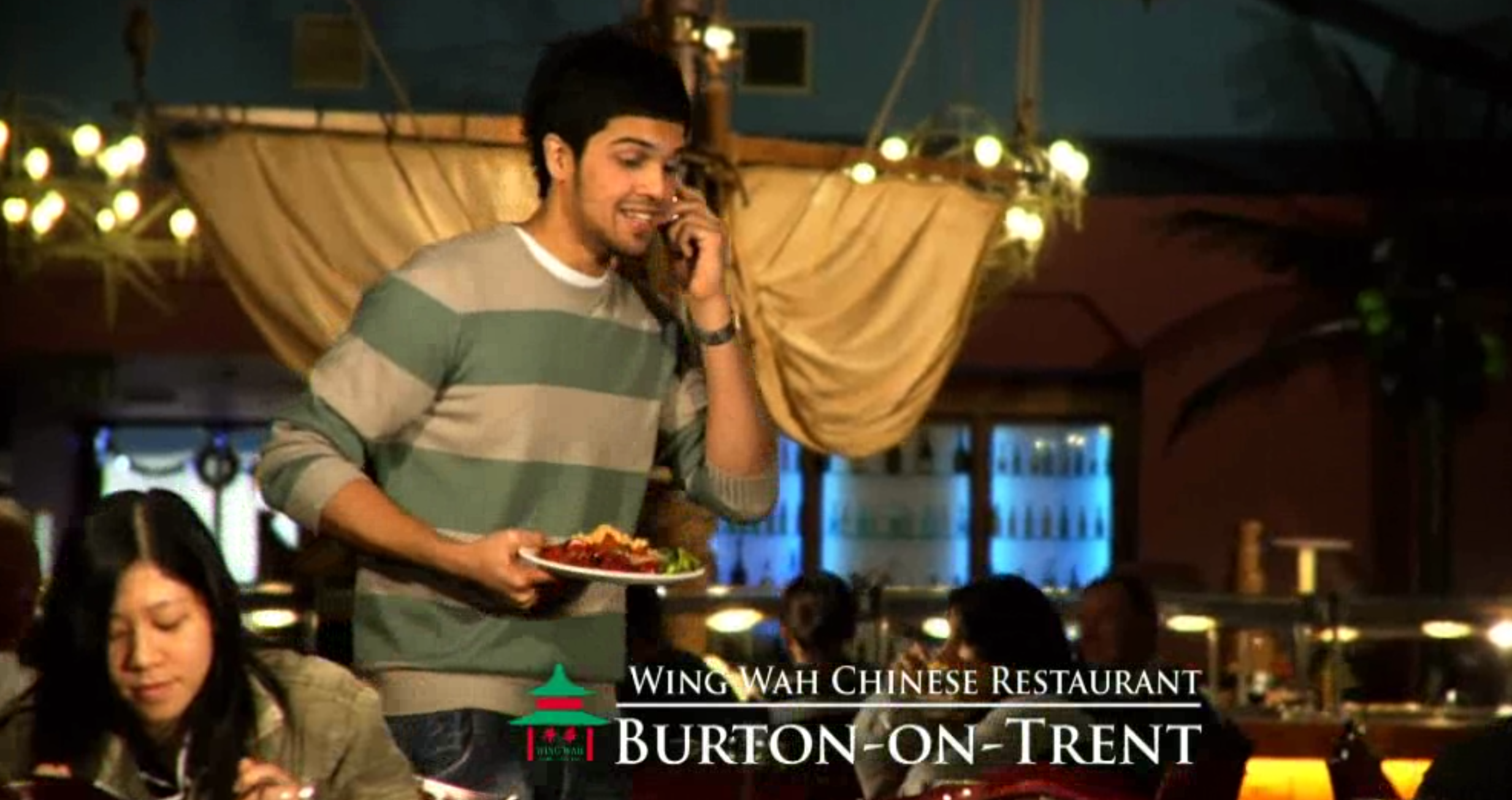
Phone conversations became the connecting thread. Each diner could introduce a different reason to visit, while the location names on screen helped the audience follow the restaurants featured.
That repeated device gave the advert a familiar rhythm, leaving room for the food and the people around it.
03 / Storyboarding the advert
Give each moment a purpose.
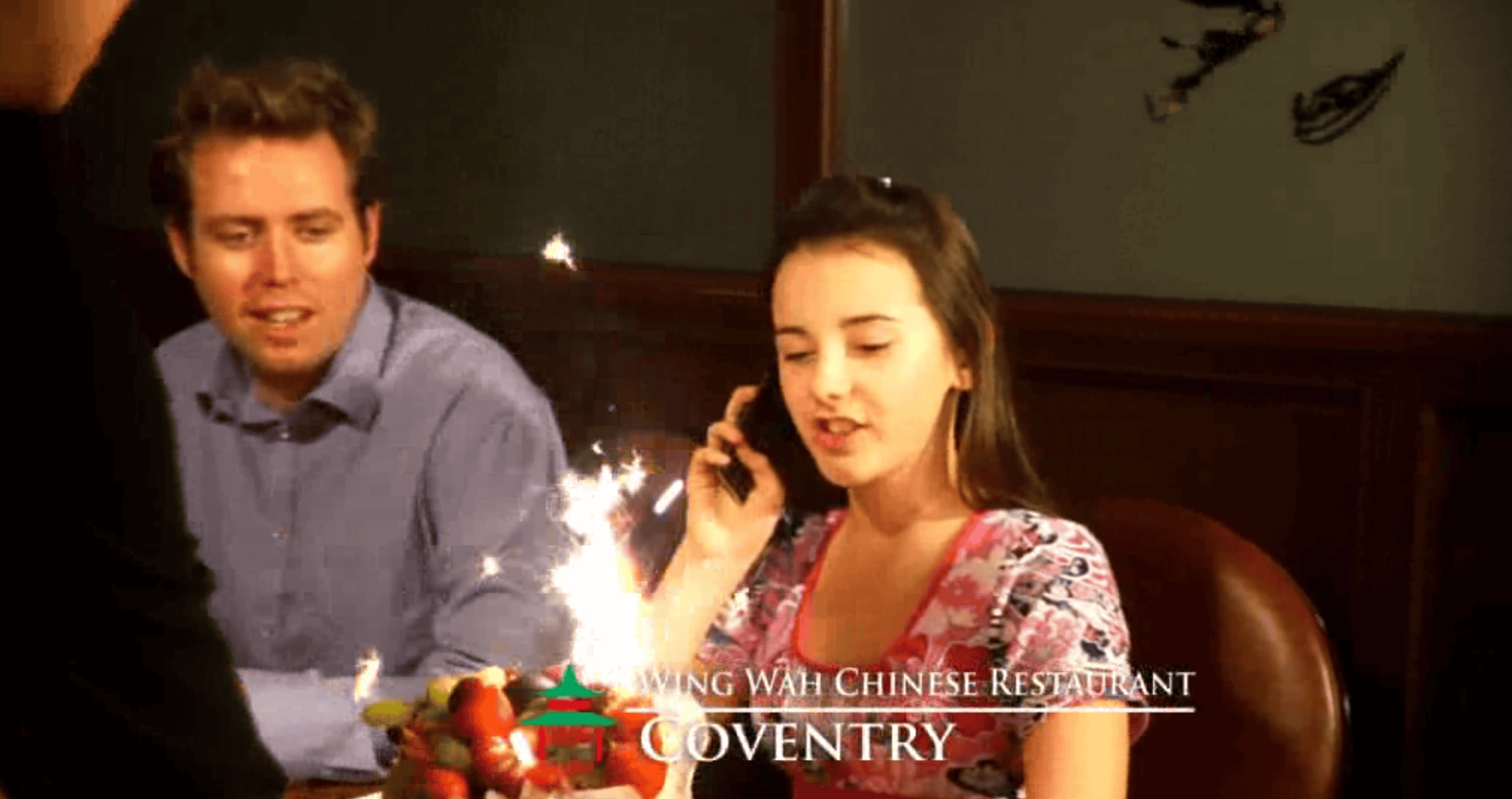
The storyboard set out the diners, their dialogue and the settings around them. It made space for the buffet, à la carte and dim sum, teppanyaki, desserts and a birthday celebration.
It also planned the closing restaurant and website sequence, ending with “Wing Wah, taste it together!” Putting those elements on paper made the balance between people, food and information visible.

The phone conversation
Phone conversations connect people enjoying different parts of Wing Wah.

A different dining experience
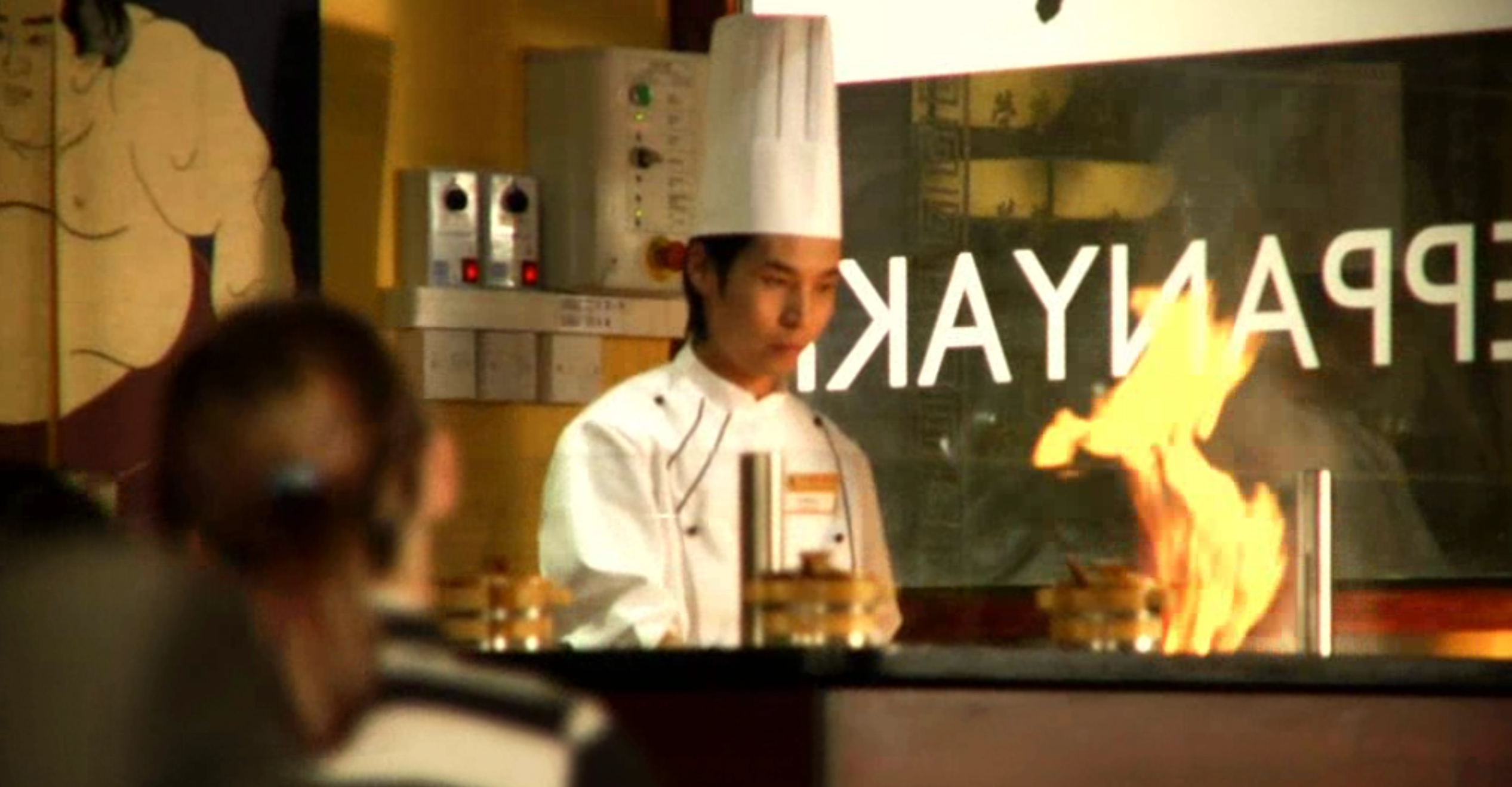
The planned dialogue introduces the fire and excitement of teppanyaki.

A clear ending
The storyboard closes on the restaurant, website and “Taste it together” line.
Drawings extracted from the original revised storyboard PDF. They show the planned advert; some details changed in the finished work. Select a drawing to download it.
04 / Picture and sound
Balance conversation with the food.
The diners’ phone conversations gave the advert its spoken thread, with the food and restaurant settings adding the visual detail. Moments such as the teppanyaki flames brought another part of the experience onto the screen.
The audio was also used across radio adverts, taking the campaign beyond television.
05 / The finished advert
Watch the Wing Wah commercial.
06 / The finished work
One idea across TV and radio.
A 30-second restaurant commercial, developed from the client’s brief through a shared concept and storyboard. The finished work brought the group’s locations and dining choices together, with its audio also used for radio advertising.
- Television
- A 30-second Wing Wah commercial
- Radio
- Audio used across radio adverts
- Concept
- “I’m at Wing Wah” phone conversations
Planning your commercial
A few useful questions.
Some starting points for a restaurant advert or a campaign with several things to say.
How much can a 30-second advert say?
Start with the main thing you want the audience to remember. Products, locations and other details then need to support it. For Wing Wah, the phone conversations provided a common structure for several different dining experiences.
How do you include several locations without making an advert confusing?
A consistent idea helps the locations feel like parts of the same story. Wing Wah used phone conversations and on-screen location names. The number of locations, their prominence and the time available should be considered together in the brief.
Why storyboard a short commercial?
Short running times make every shot matter. A storyboard lets you discuss the picture, dialogue and sequence before filming, including where product details and the closing message will fit. Wing Wah’s boards show how those elements were planned.
Can the same idea work on television and radio?
It can, if the audio makes sense without the pictures. Wing Wah’s audio was also used across radio adverts. If both channels are part of your plan, raise that at the briefing stage so the spoken message and any versions can be considered together.
What should we prepare before discussing a commercial?
Bring the audience, the main message and the action you want people to take. It also helps to know which products or locations must appear, where the advert will run, the required length, budget and deadline.
What affects the cost of producing a TV commercial?
The idea, number of locations, people involved, filming requirements, sound and versions all affect the production scope. Share your priorities and budget at the start so the proposed approach can be shaped around them. Advertising airtime should be discussed separately from making the film.
Let’s talk about your project
What would you like your advert to say?
Tell us about your business, your audience and the things you need to show. We’ll talk through an idea that brings them together.