
A brand should feel like it belongs to the organisation behind it.
That means the work usually starts long before anyone opens a design application.
We begin by understanding the idea, the people behind it, the audience it needs to reach and what the organisation wants to become.
Sometimes that process leads to a completely new identity. Sometimes a business simply needs a strong logo and a clearer visual direction.
The depth changes. The thinking does not.
Sometimes you need a logo. Sometimes you need the whole story.
Not every project needs a full branding programme.
A new organisation may already understand who it is and simply need a distinctive visual identity. Another may need to step back and work through its audience, positioning, tone and longer-term direction before any visual decisions are made.
Before we decide how a brand should look, we explore what it needs to mean.
Our branding workshops use a collaborative Miro board to help make the thinking visible. Together we explore the organisation from different angles and begin to identify the ideas that should shape the brand.
A collaborative process from thinking to identity
The exact process changes depending on the scale of the project, but the principle stays consistent: understand first, create second.
Understand the organisation, the challenge, the audience and what already exists.
Identify the ideas, personality, values and direction that should shape the brand.
Explore visual routes, logo concepts, typography, colour and supporting visual language.
Review the strongest direction together and refine the details until the identity feels right.
Put the identity to work across the places people will actually encounter the organisation.
A brand is a system, not a single file.
Different organisations should look different.
A school, wellness business, recruitment company and creative project do not need the same visual language. The aim is not to impose a house style — it is to find the identity that feels appropriate to the organisation.



A logo is the beginning, not the finished brand.
Once an identity is agreed, it needs to work wherever people encounter it — online, in print, on social media, in campaigns, presentations and everyday communications.

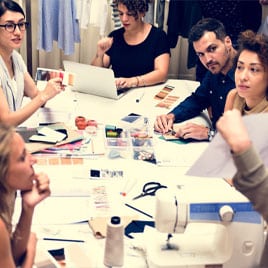
The strongest identities begin with a conversation.
Projects such as Dandelion Collective and Peaches began by exploring more than colour and typography. We worked through purpose, audience, values, personality and future direction before beginning the visual development.
That thinking creates a foundation for the identity and gives future creative decisions something to refer back to.
Creative support after the identity is finished
Brands rarely stay inside a brand-guidelines document.
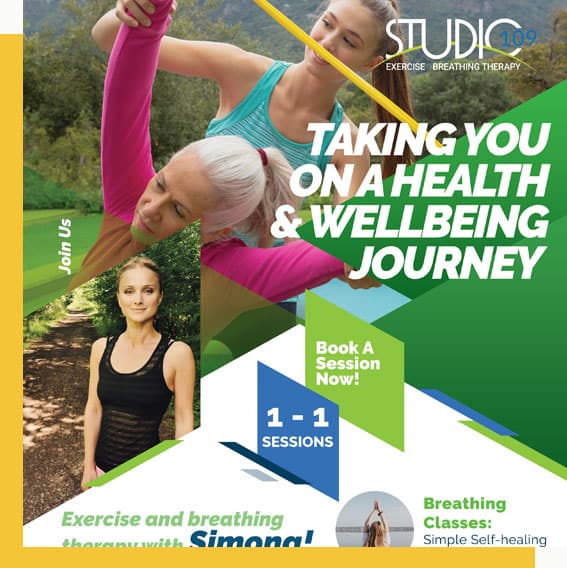
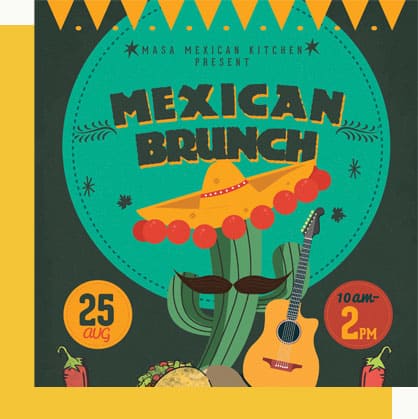
They need flyers, social graphics, adverts, presentations, website content, event material and all of the other everyday pieces that help an organisation communicate.
We can continue supporting that work after the initial identity is complete, helping the brand remain recognisable while still giving individual campaigns room to have their own personality.
Have an idea that needs a clearer identity?
Whether you need a focused logo project or want to step back and build a brand from the foundations, we can help work out what the organisation needs to say — and how it should look when it says it.
Start a conversation